
For many Poles, Christmas is the most important festivity of the year and for majority of people, a big family celebration. It is also a time to reflect on the events of the passing year, especially relationships with loved ones, achieved successes and goals. Many traditions and customs, closely connected to this festive period are important for all Poles. Christmas celebrations in Poland last more than 2 days. They begin on December 24 with Christmas Eve and end on December 26.
Traditions and important dates in Polish Christmas
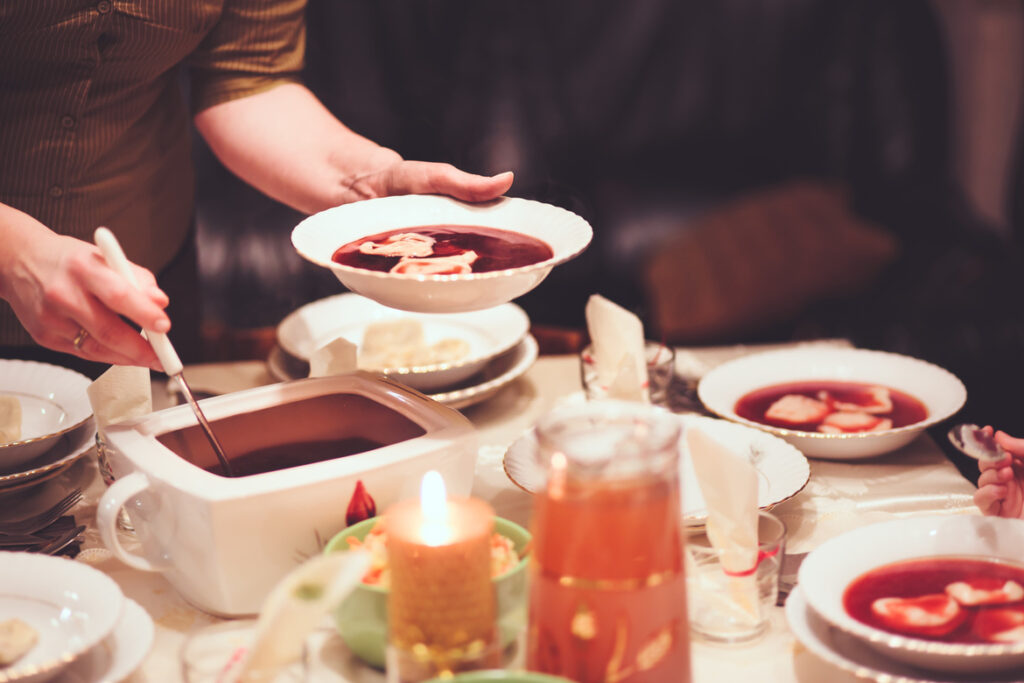
December 24 – Christmas Eve is the most solemn and for many the most emotional day of the year in the Polish tradition. The highlight is the family supper on Christmas Eve. On that day, an exceptional and warm atmosphere reigns in every home. Families gather around a beautifully set table, share “opłatek” (a thin wafer of unleavened bread blessed by a priest) and give one another good wishes. On Christmas Eve, only no meat dishes are prepared. Traditionally, there should be twelve of them, among which bortsch (beetroot soup) with pierogi should not be missed, the pierogi being filled with mushrooms. Mushroom soup is very popular too, and fried carp has a special place on the Christmas menu. Sauerkraut with peas and mushrooms is also a great classic. For dessert, poppy seed noodles and all kinds of pastries are served. After the supper a “compote” of dried fruit is served, and everyone can open their Christmas presents.
December 25 – Christmas Day, one of the most important Christian holidays celebrating the birth of Jesus Christ. Poles experience the joy of this day very intensely by honouring old and new traditions. People go to church and afterwards they gather with their family, loved ones, cousins and nephews around the Christmas table. Everywhere, Christmas carols are sung, and nativity scenes are set up (some of which are also live nativity scenes).
December 26 – The last day of Christmas, when the Catholic Church celebrates St. Stephen, the first martyr. St. Stephen was a Jew by birth and a Christian by choice, one of the seven deacons who helped the apostles of Jesus Christ. He died for his faith, stoned to death in Jerusalem.
According to an ancient tradition, on this day priests begin pastoral visits to their faithful and in the countryside one can still meet groups of children or young teenagers going from house to house with multi-coloured stars. Christmas is a special time for all Poles and is characterized by a family and festive atmosphere. Beautiful customs and rituals, passed down from generation to generation accompany this solemn celebration, both at home and in the church. Advent is the time of great anticipation of Christmas, symbolized by four candles. They are successively lit, one each week: on the first Sunday one candle, the second two, the third three and the fourth four candles.
It is unthinkable to imagine Christmas without the Christmas tree, another important symbol for Poles. This decorated tree creates the magical atmosphere of Christmas at home. According to tradition, just before Christmas dinner, the tree is decorated with beautiful garlands, bobbles, sweets and gingerbread. In addition, Christmas cribs made by Polish artists, another well-known symbol of Christmas, are admired not only in Poland but also worldwide.
Traditional Polish Christmas Dishes
Polish Christmas is indisputably connected with a long and rich culinary tradition. According to this tradition, there should be 12 different dishes on the Christmas table, symbolizing the 12 apostles. Polish cuisine offers an abundance of tasty dishes during this holiday. At Christmas, fish, festive cakes and dried fruit compote are served. The traditional Christmas dishes served on New Year’s Eve are red borsch with pierogi, mushroom soup or sauerkraut with peas. The dishes that are worth special attention during the Polish holidays are mainly:
- Red beet soup (barszcz) with uszka – a must on any Christmas table. It is prepared with a vegetable broth and is served with small uszka (small ravioli), stuffed with mushrooms. Indispensable during Christmas!
- Pierogi – a Christmas table must have. Stuffed with cabbage and mushrooms, the secret of their taste is hidden in the filling, with the right proportion of sauerkraut, white cabbage and dried mushrooms. During this period, you can also find Russian-style pierogi on some Polish tables, but rarely pierogi with fruit.
- Fried or oven baked carp – even though it is not easy to prepare, this dish is one of the most popular ones on New Year’s Eve. There are many recipes and different ways to serve it. Carp can be fried, baked in the oven or prepared or jellified, it all depends on the taste and skills of the hostess. On the other hand, when eating this fish, you should be careful, because it contains a lot of bones.
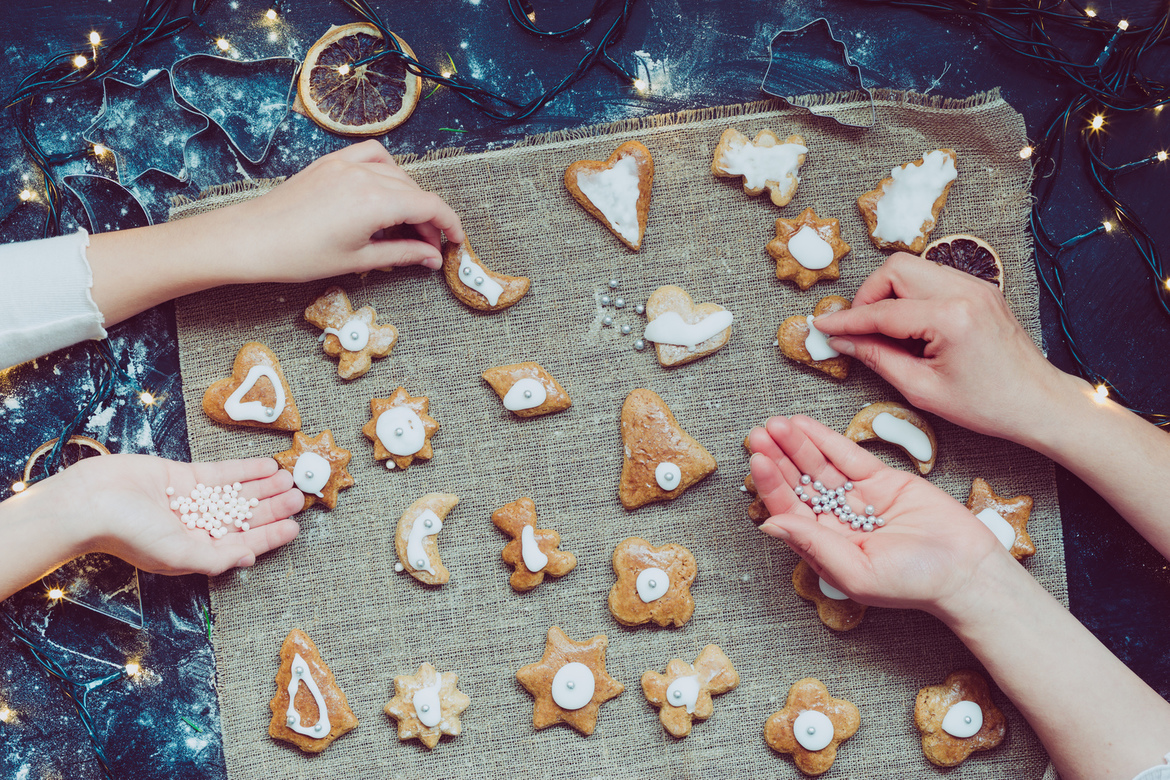
- Christmas pastries and Polish Christmas cakes contain a lot of seasonal ingredients like dried fruit and poppy seeds. During the holidays, Poles enjoy also a gingerbread rich with spices.
Christmas markets and festivals in Poland
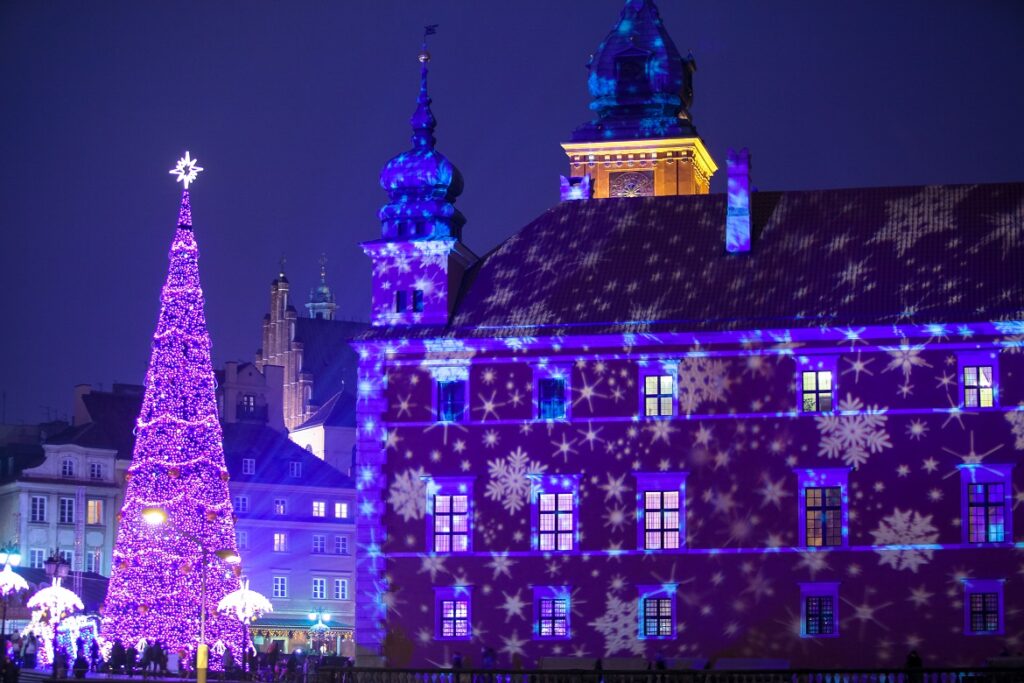
Christmas markets are the most beautiful and interesting events in Poland during this festive season creating Christmas landscape in the city centres, even before the actual celebration. Thanks to a fabulous atmosphere, colourful strings of lights and delicious smells, Christmas celebrations are becoming more and more popular. Stalls with handicrafts, high-quality Christmas decorations and specialties from different regions of the country attract not only residents but also crowds of tourists. The most spectacular Polish Christmas markets are those on the market squares of Kraków and Wroclaw. Products from all over the world, decorations, souvenirs and of course “grzaniec galicyjski” (mulled wine from Galicia) are sold there. Food lovers will find many Christmas specialities: pierogi, barszcz or traditional gingerbread. Numerous concerts, performances, competitions for the most beautiful nativity scene, meetings with Santa Claus and gatherings to sing Christmas carols are organised in many places.
Source: Polish Tourism Organisation https://www.polen.travel/

